
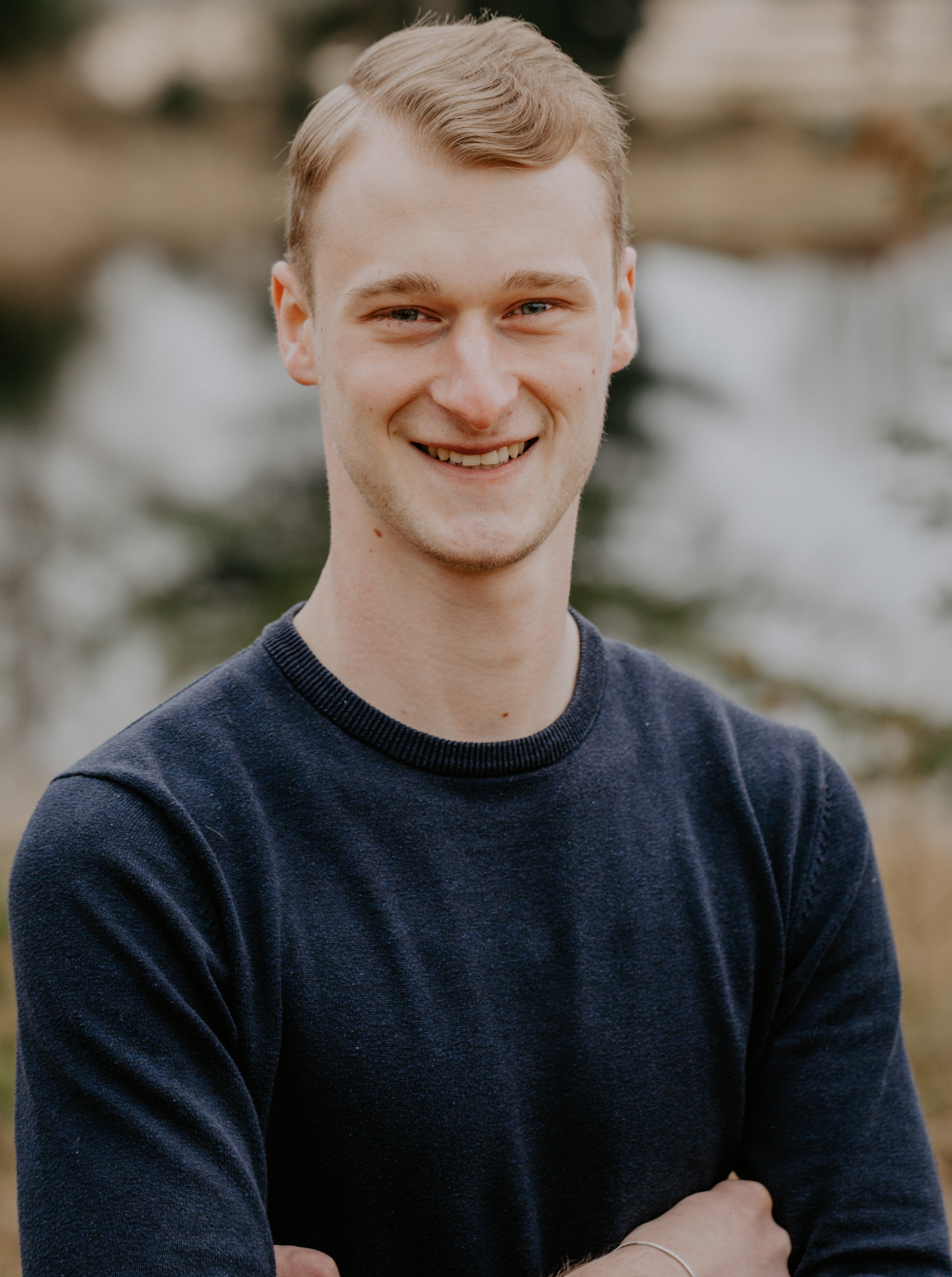
Sijbren van Vaals
PhD researcher and Team Lead
Sijbren is a PhD student within the department of Computational Linguistics, with a strong background in language technology.
Computational Linguistics × Social Inclusion
Bringing journalism closer to the public using AI-driven applications
About the Project
The PAGINA project aims to bridge the gap between journalism and citizens. In this project, we develop AI tools to improve Dutch news accessibility and readability for those who struggle with traditional news formats, specifically for low-literate demographics.
The PAGINA project is a ClickNL PPP grant-funded research initiative led by the
Computational Linguistics group at the University of Groningen,
in collaboration with Dagblad van het Noorden, 8D Games,
and AI Hub Noord.
People
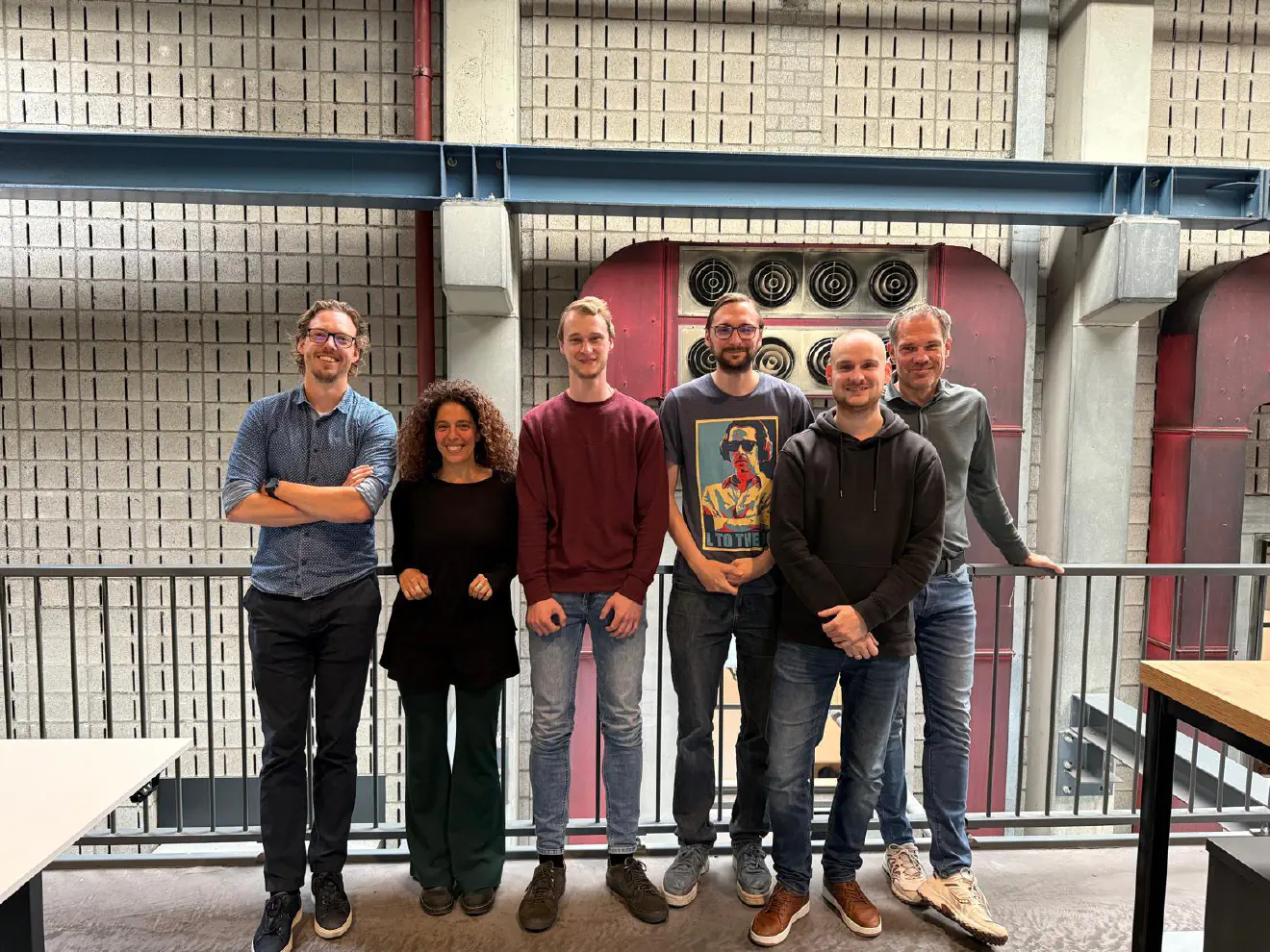
PAGINA is a collaboration between researchers, journalists, and product partners.
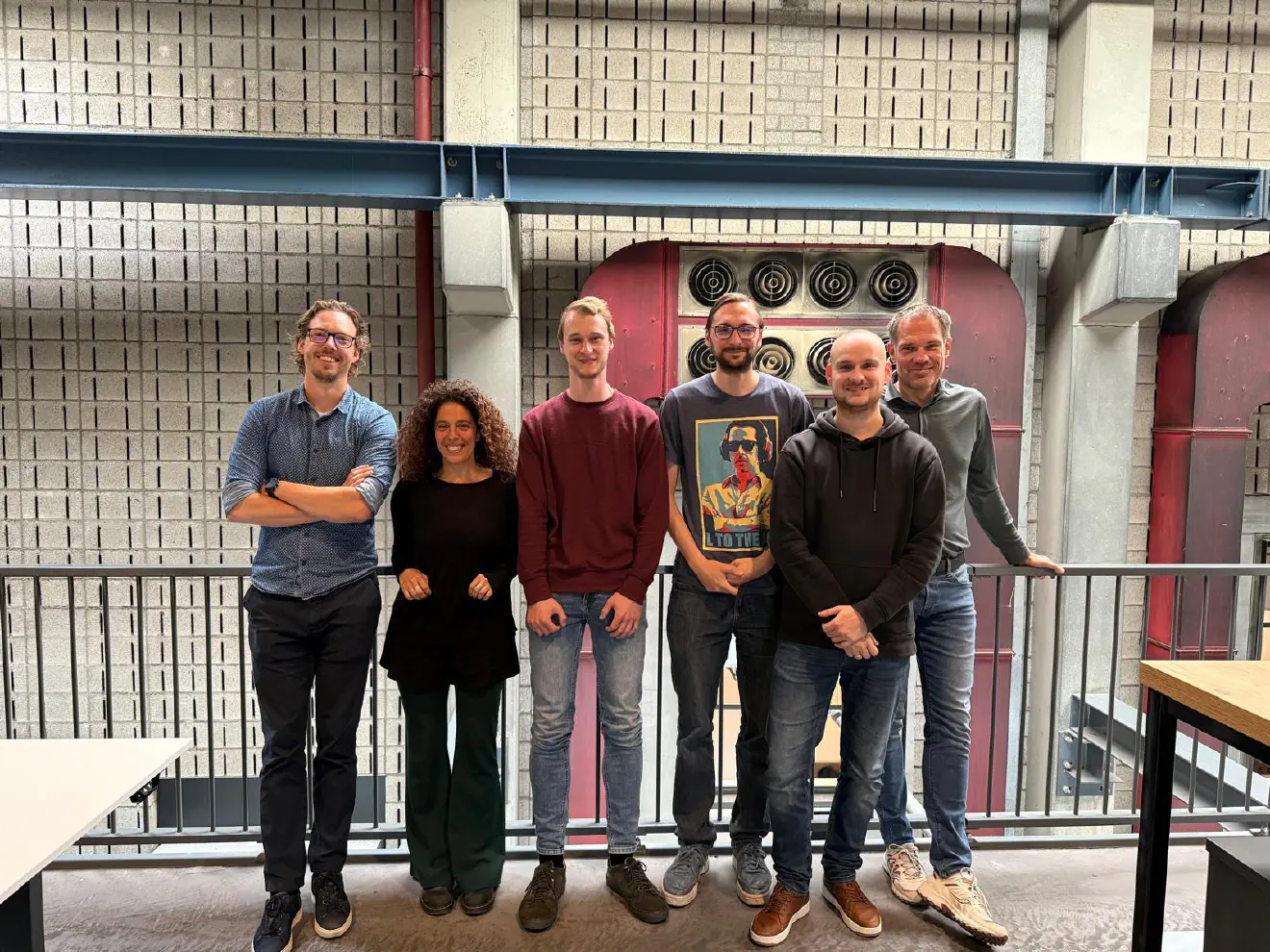
PhD researcher and Team Lead
Sijbren is a PhD student within the department of Computational Linguistics, with a strong background in language technology.
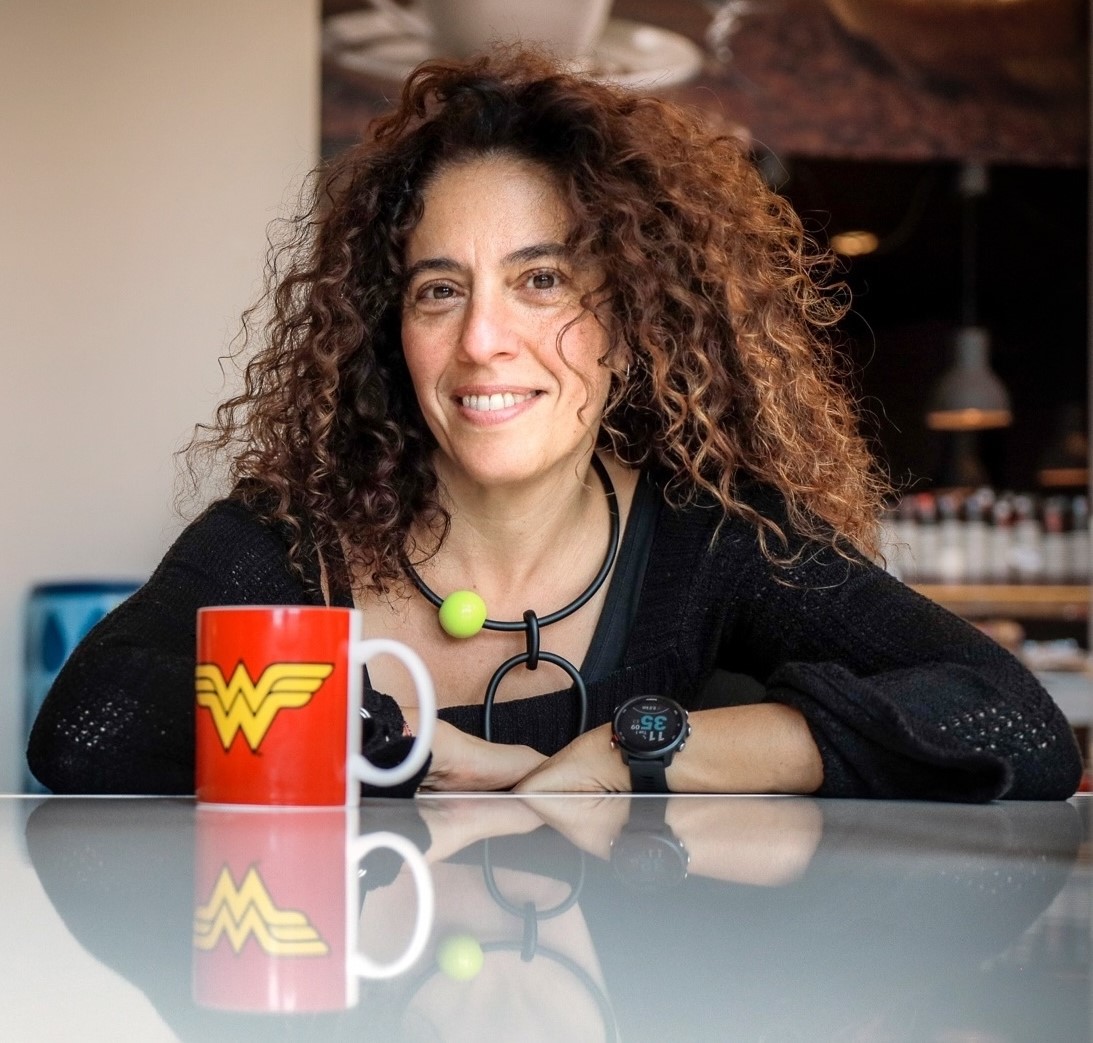
Full Professor
Malvina is a full professor of Computational Linguistics and Society, working in Natural Language Processing and its application to societally relevant problems.

Assistant Professor
Rik is an assistant professor at the department of Computational Linguistics, with particular expertise in semantic parsing, machine translation, and language modelling.

Journalist and Editorial AI Lead at Dagblad van het Noorden
Alwin is a journalist and editorial AI lead at Dagblad van het Noorden, who draws editorial lessons from data, leveraging AI to help the newsroom.

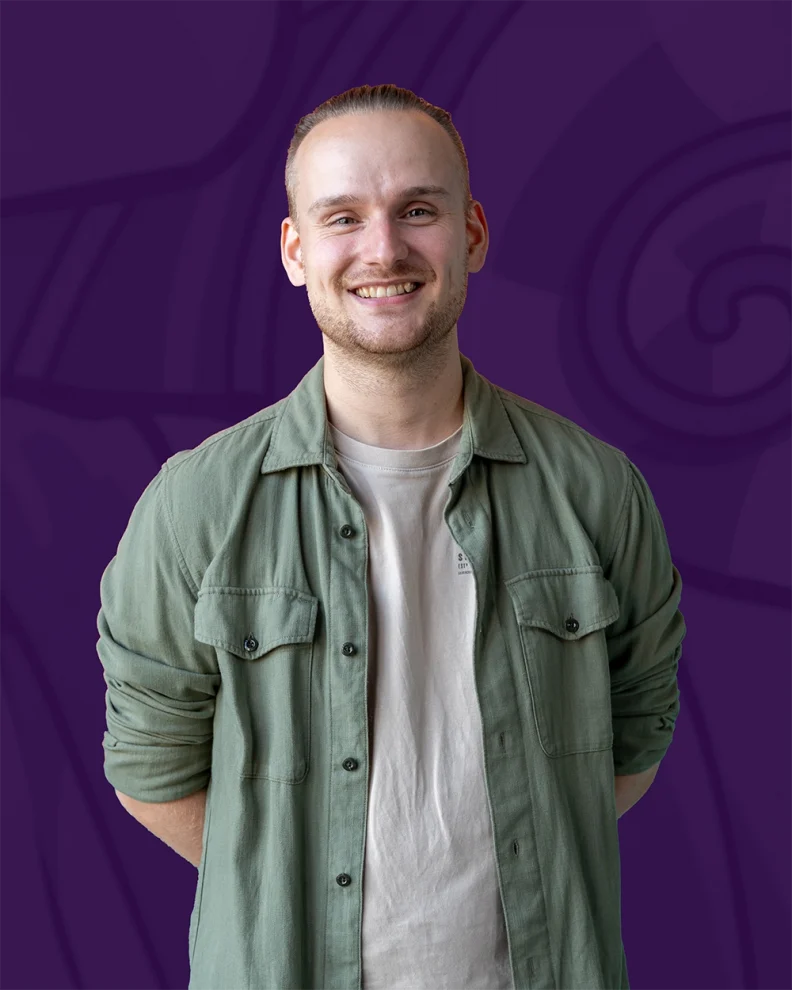
Product Owner at 8D
Stephan is a product owner at 8D with over 10 years of experience in project management, and has successfully completed over 20 projects in only three years.

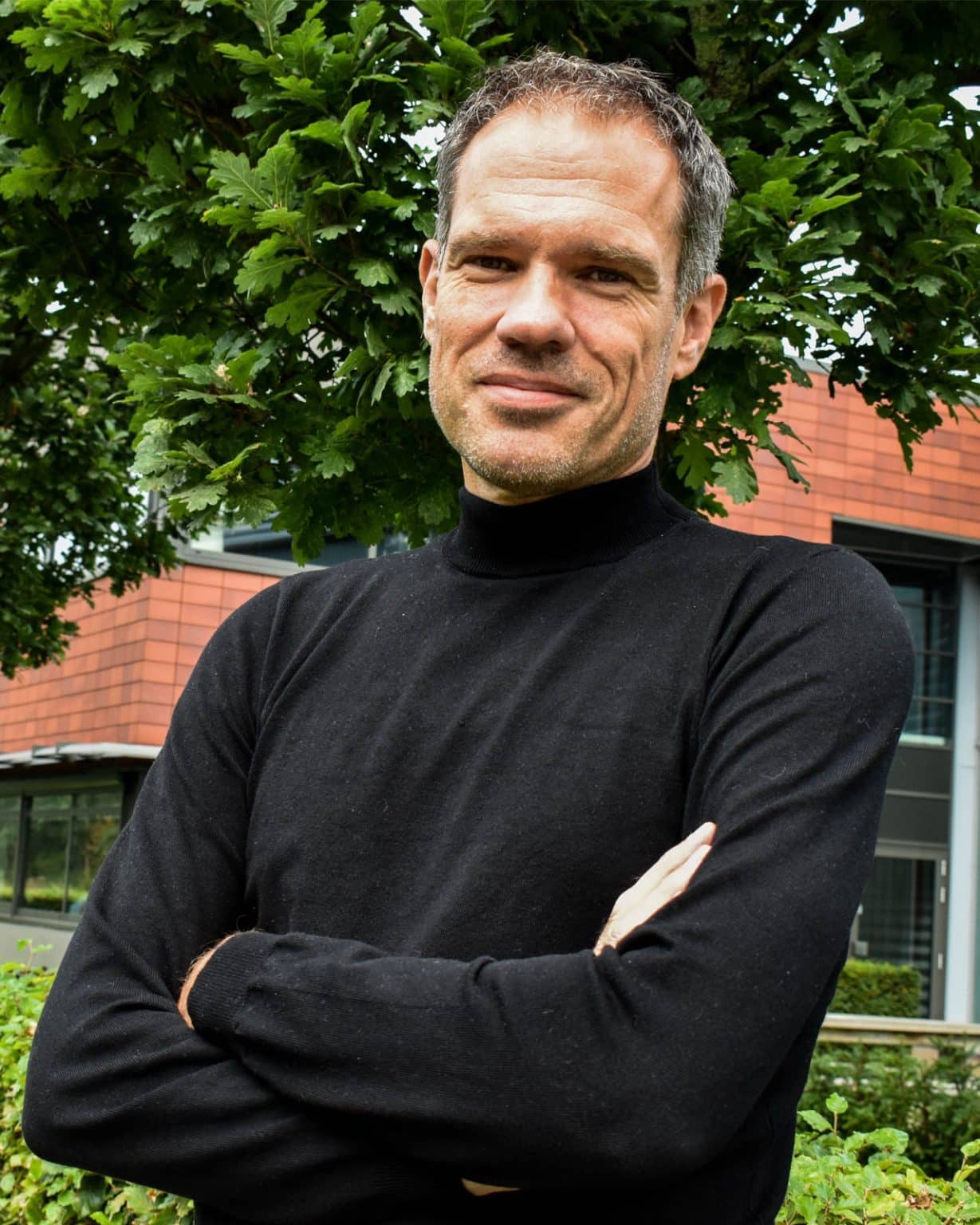
Booster and Business Developer at AI Hub North
From the focus areas of energy and (sustainable) logistics, Jeroen helps parties bring their innovations to the market faster and more effectively.
See It in Action
Drag the slider to compare original news text with our AI-simplified version.
De organisatie had een scenario uitgedacht dat door de brandweerploegen tot een goed einde moest worden gebracht. Een automobilist kwam van de Hoofdstraat en miste de bocht waardoor hij bij een woning tegen een bouwsteiger botste. Op het dak was de beheerder van het pand zonnepanelen aan het leggen. Door de klap en de schrik verloor hij zijn evenwicht en schoot met zijn voet onder een metalen richel. Door het ongeval ontstond er kortsluiting en brak er brand uit. Voor de deelnemende ploegen een uitdaging om dit tot een goed einde te brengen. Blusgroep Beilen deed dit het beste, gevolgd door Roden en Otterlo eindigde op de derde plek.
Een organisatie had een oefenscenario bedacht voor brandweerteams. De teams moesten dit scenario goed uitvoeren.
Een automobilist kwam vanaf de Hoofdstraat en miste een bocht. Hij botste met zijn auto tegen de steiger bij een woning. Op het dak was de beheerder zonnepanelen aan het leggen. Door de klap en de schrik verloor hij zijn evenwicht. Zijn voet kwam onder een metalen rand. Door het ongeval ontstond er kortsluiting en brak er brand uit.
Het was een moeilijke oefening voor de deelnemende teams. Blusgroep Beilen deed het beste werk. Daarna kwam Roden. Otterlo werd derde.
Drag the handle left or right to compare the original and simplified versions.
Our Focus
Using AI and NLP-driven methods to automatically improve the accessibility of Dutch news, specifically for low-literate audiences.
Achieving higher accessibility by improving readability, making texts easier and quicker to read by lowering processing demands.
Exploring automatic text simplification to reduce complexity, making news articles more comprehensible for the wider public.
Detecting and altering the perspective or frame of a text so target groups feel seen, heard, and more included in the news narrative.
Publications
Peer-reviewed contributions advancing the fields of readability, text simplification, and computational linguistics.
An assessment of readability predictors based on naturally-observed reading times, exploring the relationship between text complexity and real-world reading behavior.
An abstract exploring reading time experiments and their implications for understanding cognitive load in news text processing, presented to the Dutch PhD linguist community.
A comprehensive article examining methods for improving Dutch news accessibility, submitted for peer review in the Computational Linguistics in the Netherlands Journal.
Latest
Short messages from the project lead—updates, invitations, and where we’ll be next.
On the road
Conferences and meetups where we share progress and learn from the community.
Tip: scroll horizontally on mobile.
What We're Doing Now
Ongoing research activities and experiments shaping the next phase of the project.
Setting up a controlled reading experiment to test human-written vs. machine-generated text simplifications with low-literate participants.
Creating a parallel corpus of original Dutch news articles paired with their simplified counterparts for training and evaluation.
Investigating methods to separate the effect of reader interest from text complexity when analyzing reading time data.
Collaboration
A strong foundation built on the expertise of leading academic and media institutions.
We are always open to new collaborations, ideas, and partnerships that advance accessible journalism.
Get in Touch